Effective Communication at Moss + Heart
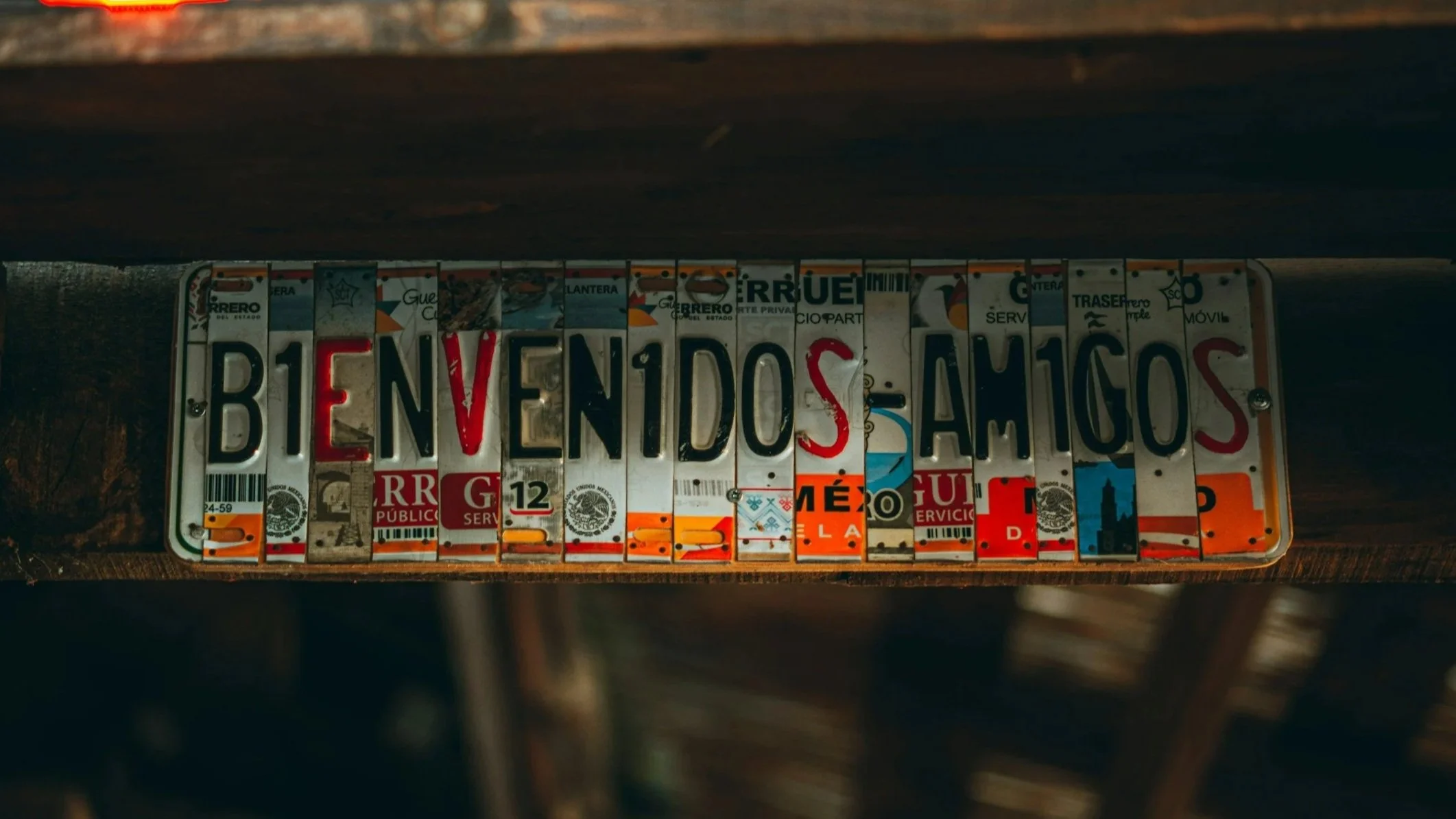
Spanish Language Exposure
We also cultivate a language-rich environment by introducing basic Spanish. Our morning assistant is a native Spanish speaker, and our Guide is learning alongside the children. As the children’s familiarity grows and our team’s confidence increases, we plan to thoughtfully expand our Spanish offerings over time.

American Sign Language (ASL)
ASL is used throughout our environment to empower young, non-verbal children to express themselves long before spoken language fully develops. Signing allows children to communicate needs, observations, and emotions, reducing frustration for both children and caregivers. It also encourages respectful interactions—such as asking a child before picking them up—and strengthens peer relationships by providing a shared, accessible way to communicate.
Moments such as a child joyfully signing about the wind or expressing discomfort from a skin irritation illustrate how ASL gives even our youngest learners a meaningful voice.
Once the child can speak, he can express himself and no longer depends on others to guess his needs. He finds himself in touch with human society, for people can only communicate by means of language.
Dr. Maria Montessori, The Absorbent Mind, p.78
At this time, the Guide’s level of ASL is conversational, with steps being taken to deepen knowledge to further support the children’s ability to use ASL in the classroom. Support will be offered to parents and families who are currently unfamiliar with ASL and wish to bring it into the home.